
RONALD SSEGAWA GYAGENDA
From public service to practical agriculture.
A career spent on agricultural policy and administration, ending as Under Secretary at the Ministry of Agriculture, Animal Industry and Fisheries, and then a decision to go and do the thing itself.
THE STORY
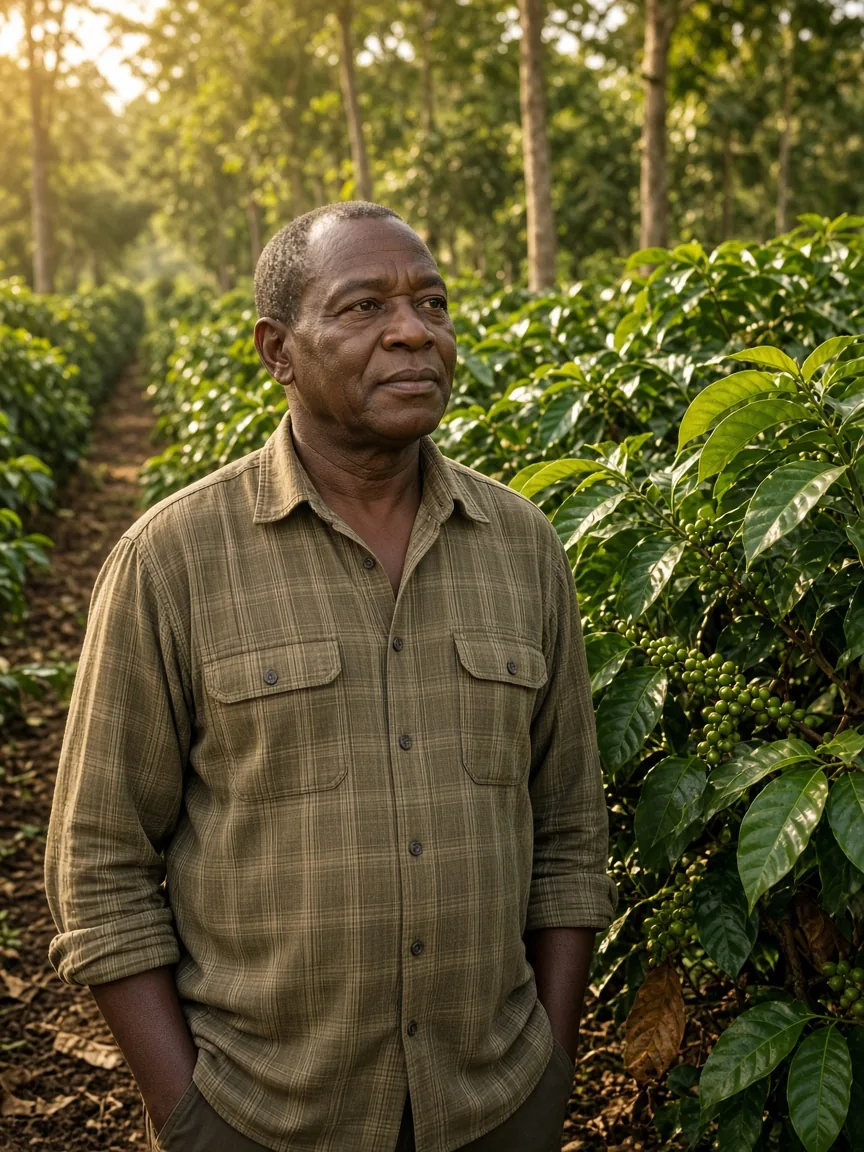
Ronald Ssegawa Gyagenda spent decades inside Uganda's agricultural administration, the part of the sector that writes programmes, funds extension work and argues about productivity in meetings.
He worked in a range of senior government roles and eventually served as Under Secretary at the Ministry of Agriculture, Animal Industry and Fisheries. It is a vantage point that gives you an unusually complete view of the sector: what is funded, what is farmed, what is imported, and where the gap between policy and a farmer's actual season sits.
After retirement, most of that experience could have stayed in reports. Instead it went into land, buildings, animals, machinery and staff. Rona Farm is the practical version of a career-long argument: that agriculture is a business, that productivity comes from management and inputs rather than exhortation, and that farmers change what they do when they can see and question a working example.
That is why the farm was built as an integrated system rather than a single enterprise, and why visiting groups are shown the records as readily as the animals. A demonstration farm that cannot show its numbers is not demonstrating much.
Biographical detail (roles held, dates and the sequence of appointments) to be confirmed by Ronald or Rona management before publication. This page is written to be factual and non-political; no endorsement by any government body is implied.
TIMELINE
Six stages, one direction.
Select a stage to read it. Dates are left out until they are confirmed.
Stage one
Professional career
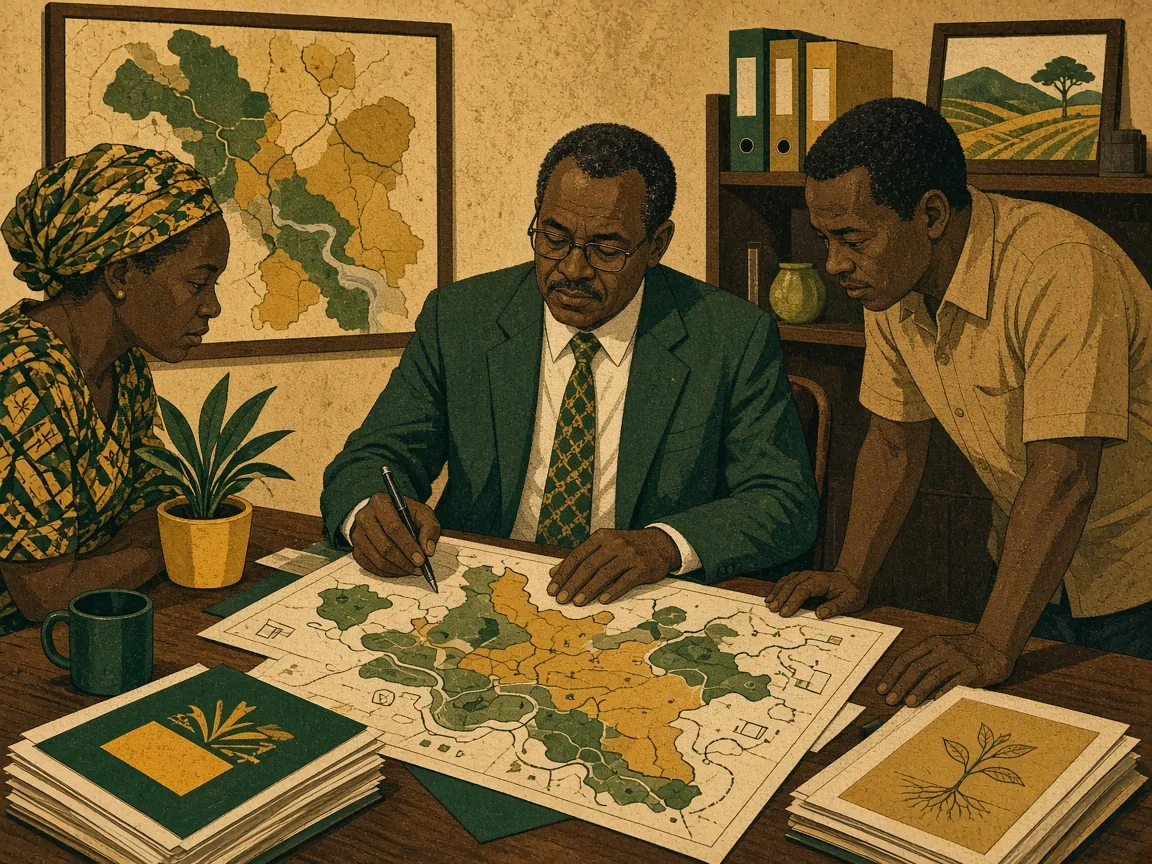
Early years in Uganda’s public service, working within agricultural administration and development programmes. The period that built the network and the sector knowledge the farm now runs on.
Stage two
Government service
A succession of senior roles across agricultural development work: programme design, implementation and the constant question of why productivity gains kept stalling at farm level.
Stage three
Agricultural leadership
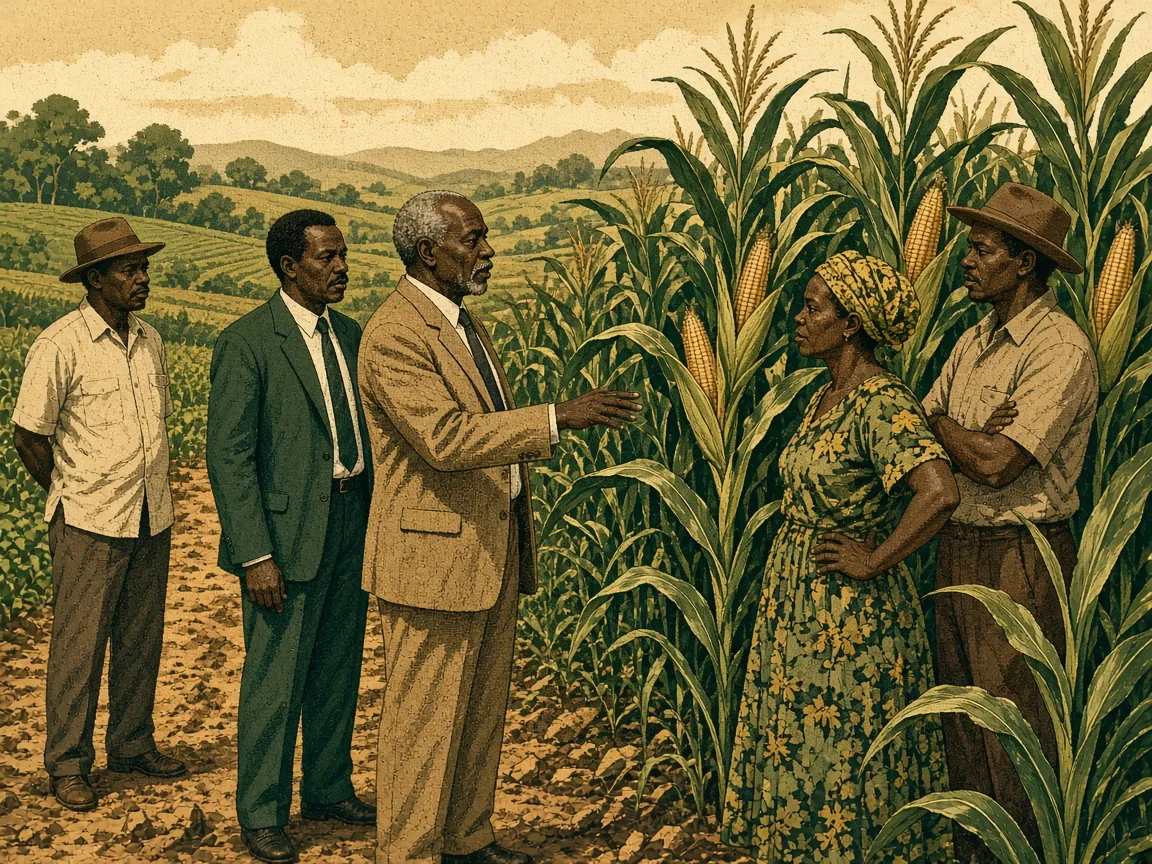
Service as Under Secretary at the Ministry of Agriculture, Animal Industry and Fisheries, a national view of production, value addition, inputs and the institutional machinery around them.
Stage four
Retirement
Leaving public service with a plan rather than a rest: to build a commercial farm that would prove, at real scale, what the policy documents kept describing.
Stage five
Rona Farm
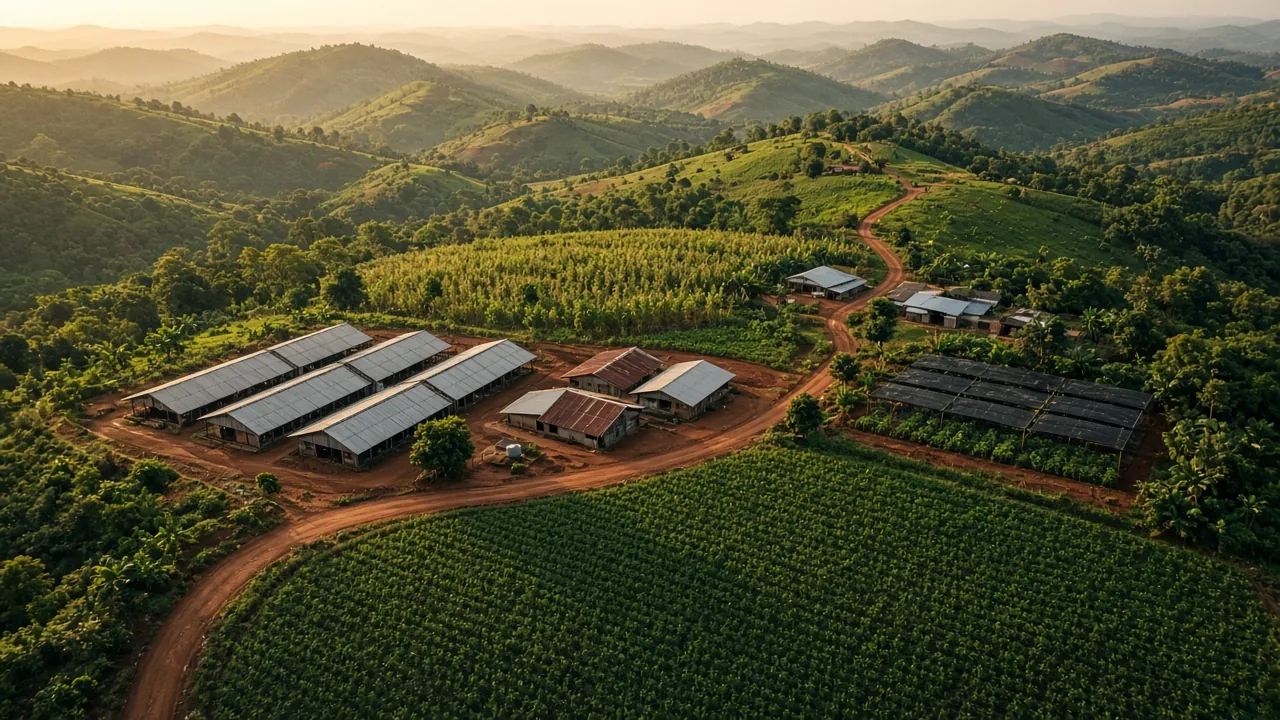
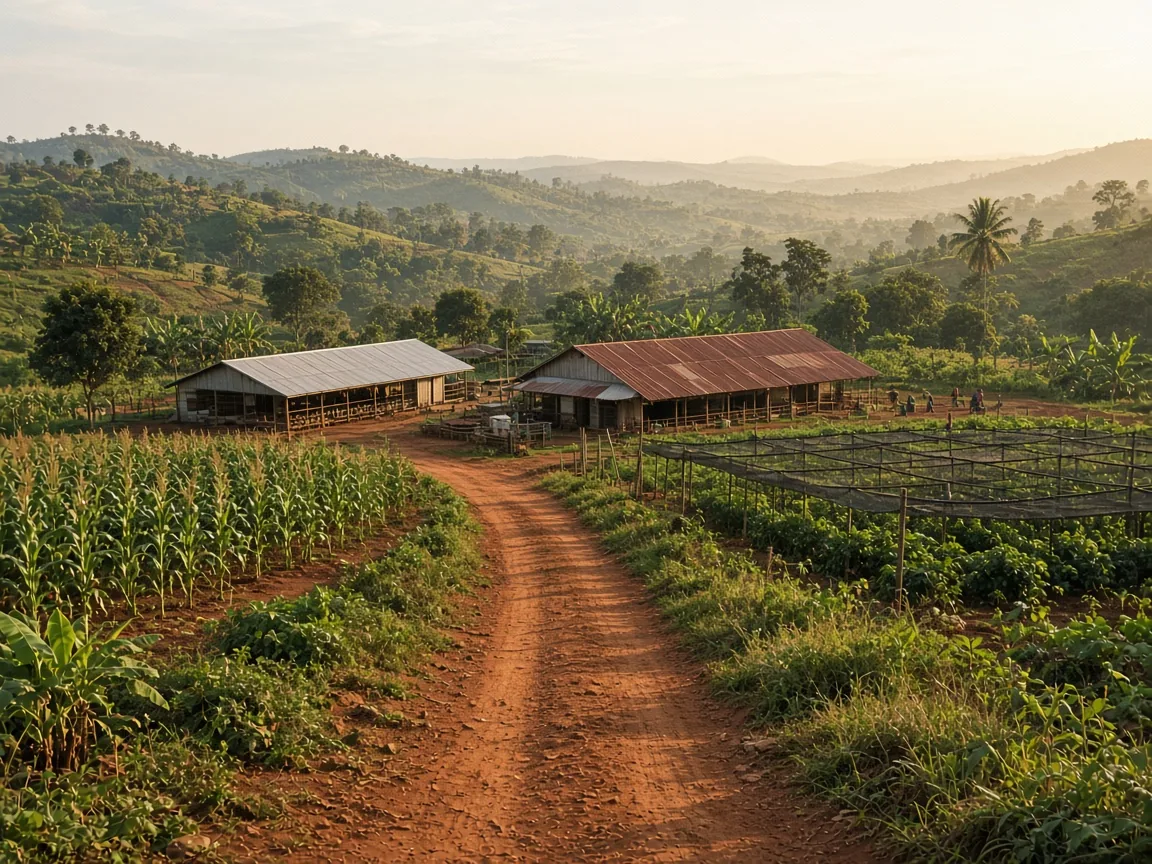
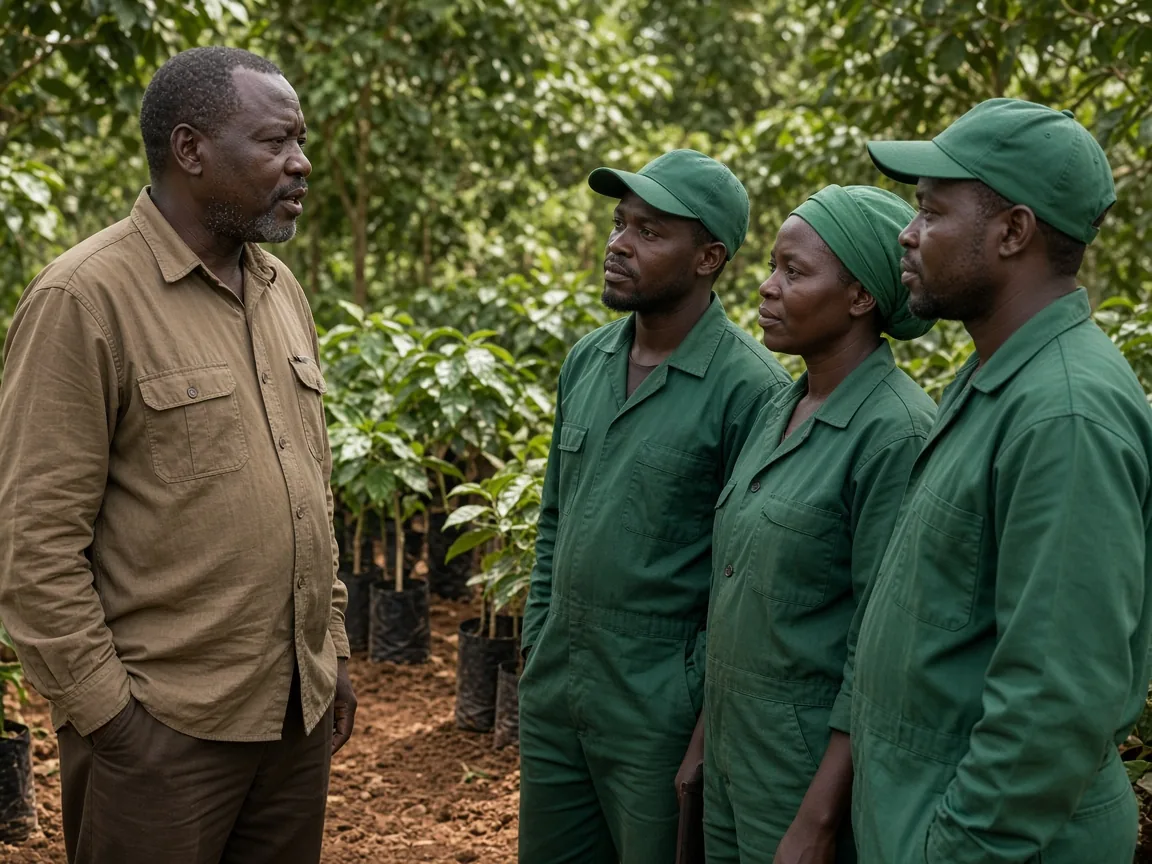
Land, layer houses, a piggery, a mill, coffee mother gardens, a nursery and a circular unit, assembled one enterprise at a time, each placed to feed the next, with staff trained on site.
Next
Training centre
A permanent facility for farmer and student programmes, so groups can be hosted properly and the teaching side of the farm can grow beyond what the working day allows. Planned, not yet built.
“A farm should be able to show its records, not just its fields.”
ASK THE FOUNDER
One question, answered properly.
Questions about running agriculture as a business (financing, records, value addition, starting out) are collected and answered in batches, either directly or as a Rona Insights article.
Not every question can be answered individually. Nothing here is financial or veterinary advice.
Question received.
If it is useful to other farmers, the answer becomes an article, and you will get it first.
WHAT HE PUSHES FOR ON THIS FARM