
OUR STORY
Built to show that farming is a business.
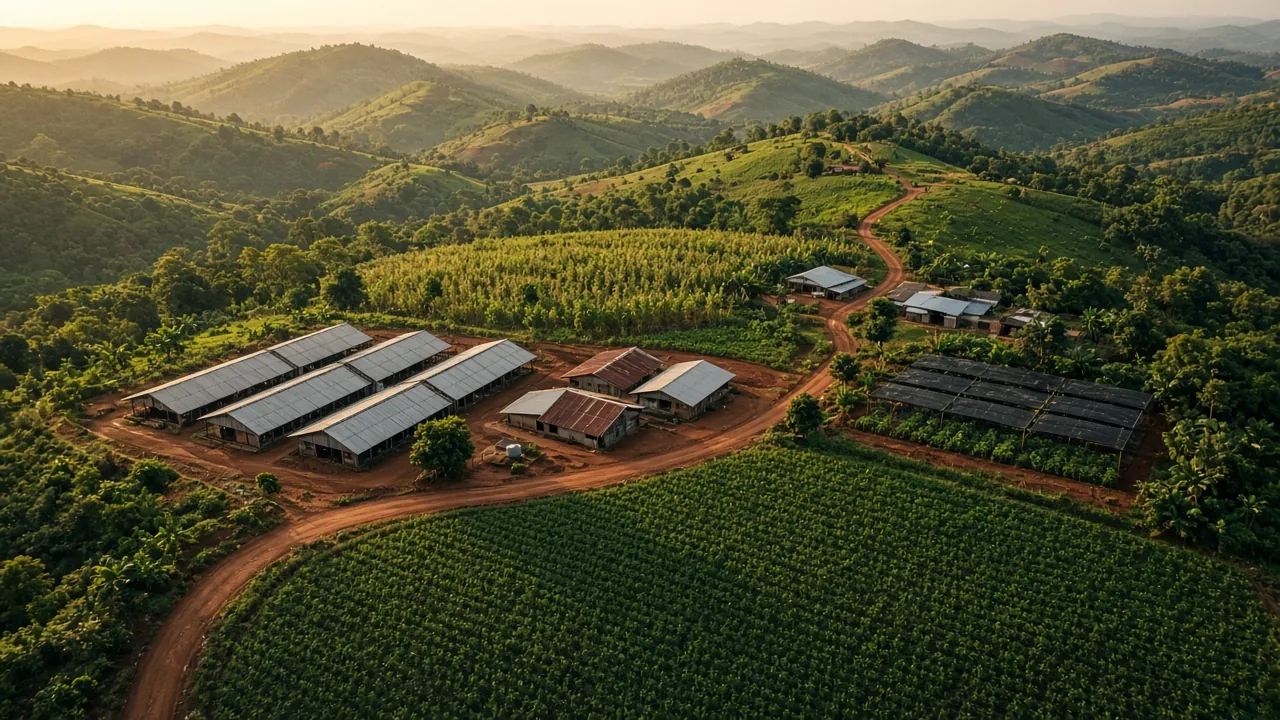
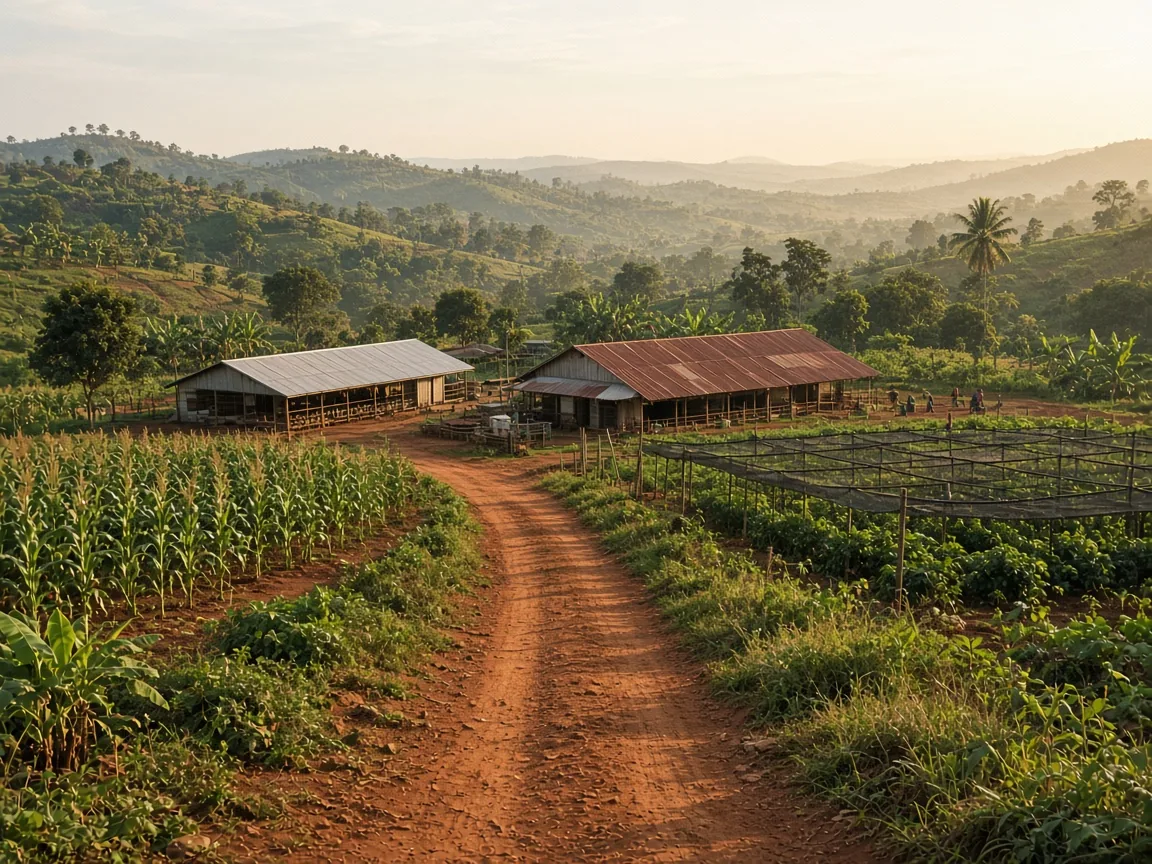
Rona exists because too much Ugandan agriculture is run without records, without value addition and without a plan for what happens to by-products. This farm was assembled to do all three, at commercial scale, in public.
THE PROBLEM
Good land, hard work, thin margins.
Most farmers around here produce well and earn badly. Grain is sold raw at harvest when prices are lowest. Feed is bought at retail. Manure is a disposal problem. Planting material is whatever is available, not whatever is best. Nobody keeps the records that would show where the money goes.
None of that is a knowledge problem in the abstract. It is a demonstration problem: farmers change what they do when they see it working on a farm like theirs, run by people they can question.
HOW IT WAS BUILT
One enterprise at a time, each one feeding the next.
Sequencing was deliberate: nothing was added until it had somewhere to send its outputs.
Phase one
Land and layers
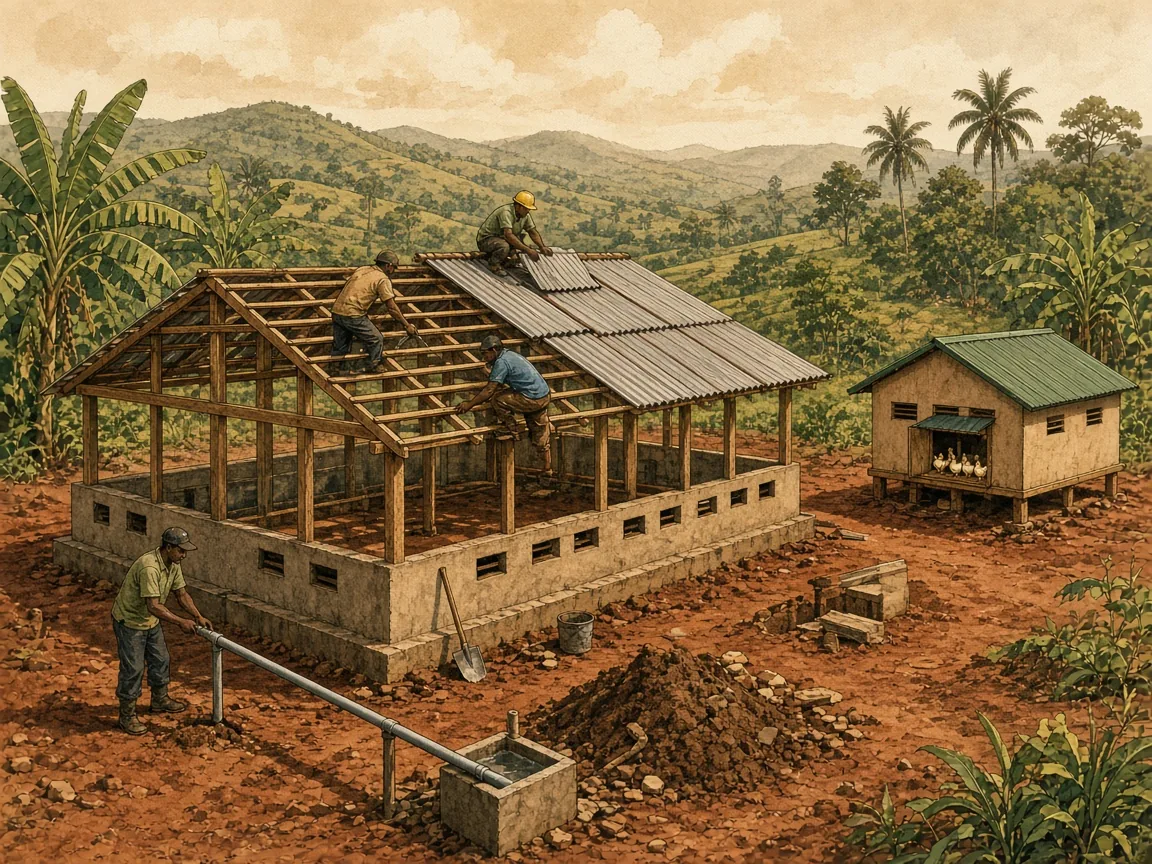
Poultry came first because it produces income weekly rather than seasonally, and because it forces discipline: a layer house tells you within days whether your management is working. The record books started here and set the standard for every unit that followed.
Phase two
Piggery
Pigs were added next because they could share the feed store and the labour already in place, and because improved breeding stock was something farmers in the area were asking for and struggling to find locally.
Phase three
Mill and value addition
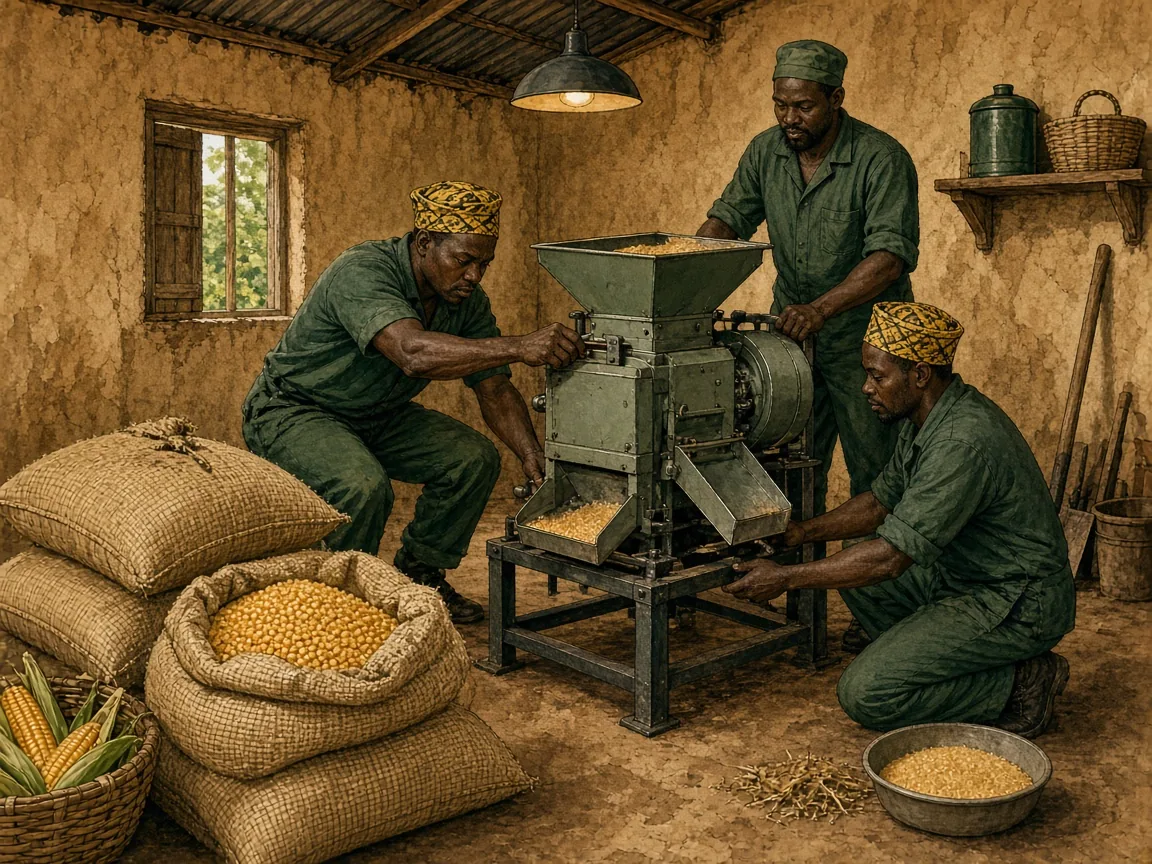
The mill turned a cost into two products. Instead of buying feed at retail and selling grain at harvest prices, the farm began milling flour for people and keeping the bran for its own animals.
Phase four
Coffee nursery
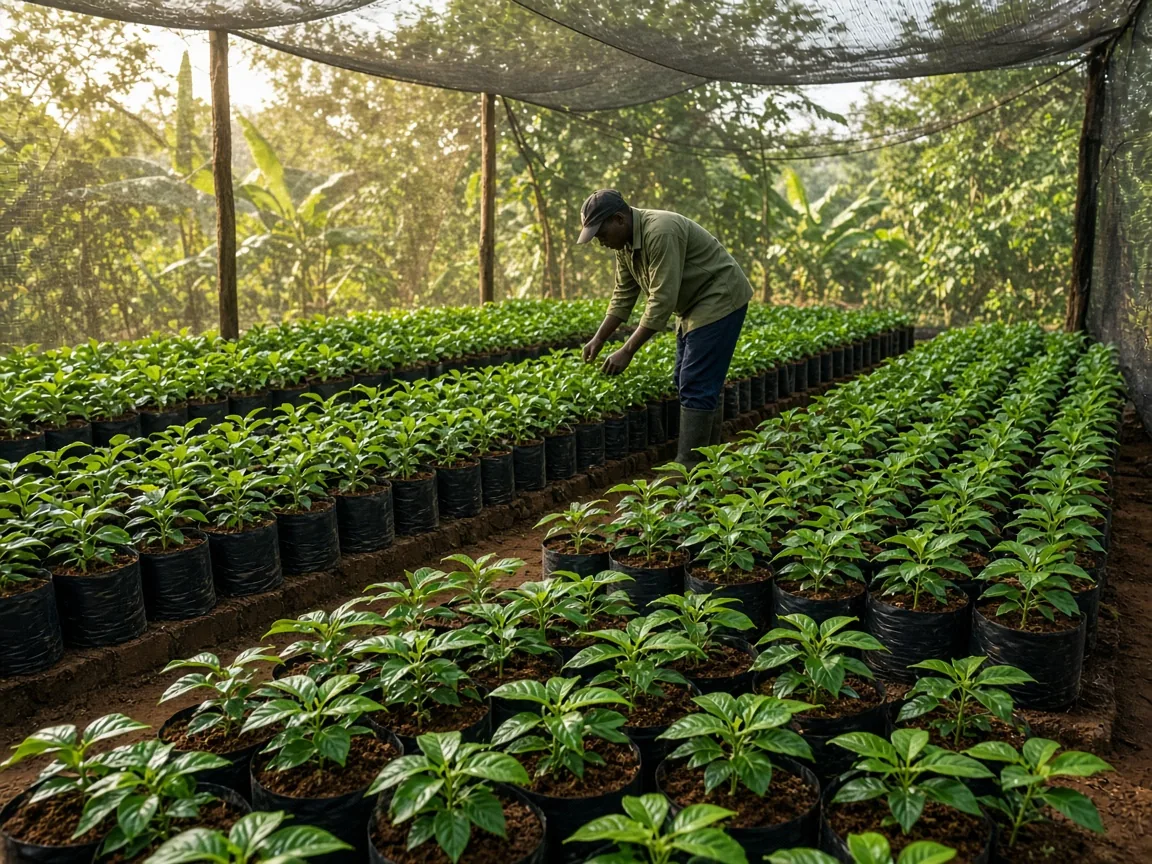
Coffee propagation was the first enterprise whose main product leaves for other farms. It also gave the farm a reason to talk to hundreds of farmers a season, which is where the training programme really began.
Phase five
Circular unit
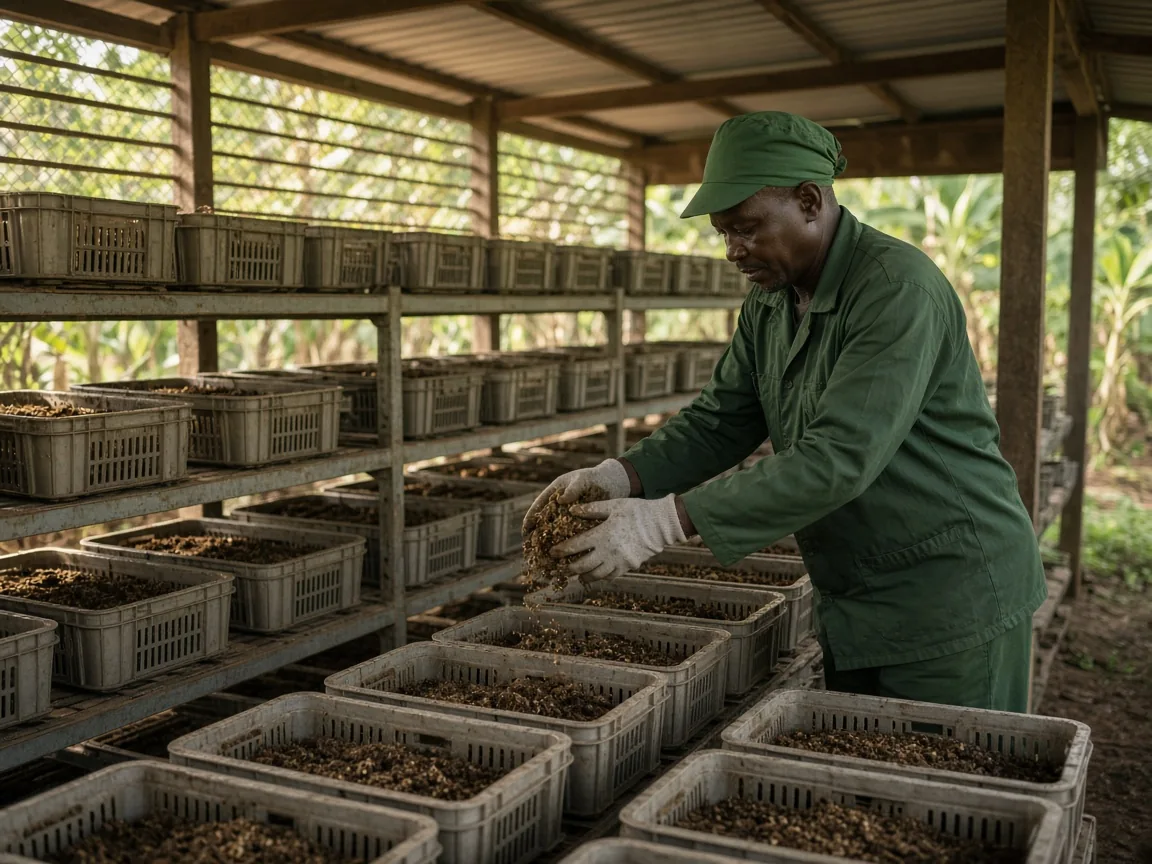
The last piece connected the others: manure and residues that had been a disposal problem became feed protein and fertiliser. It is also the stop visitors ask about most, which is why it doubles as a demonstration unit.
Dates for each phase are deliberately omitted until Rona management confirms them. The sequence is accurate; the calendar is not yet.
Mission: draft
To run agriculture as a profitable, well-recorded business, and to teach what works to the farmers, students and institutions who come to see it.
Vision: draft
A Greater Masaka where commercial, integrated farming is normal, and where the planting material, genetics and knowledge to do it are available locally.
Mission, vision and values on this page are drafts written for review. They are not official Rona statements until management approves them, and they are stored as editable content so they can be replaced in one place.
VALUES : FOR VERIFICATION
What we would put on the wall.
Seven candidates. Rona management should cut this to four or five and put them in their own words.
WHERE THIS IS GOING
A working farm that doubles as a training centre.
The next phase is a permanent facility for farmer and student programmes, so groups can be hosted properly rather than around the working day, and a farm management system that keeps the records digitally, feeding some of them straight to this website.